Stud Bolt vs Threaded Rod: What’s the Difference?
Understand the difference between stud bolts and threaded rods, the grades listed on the site, and what to include in an industrial RFQ.
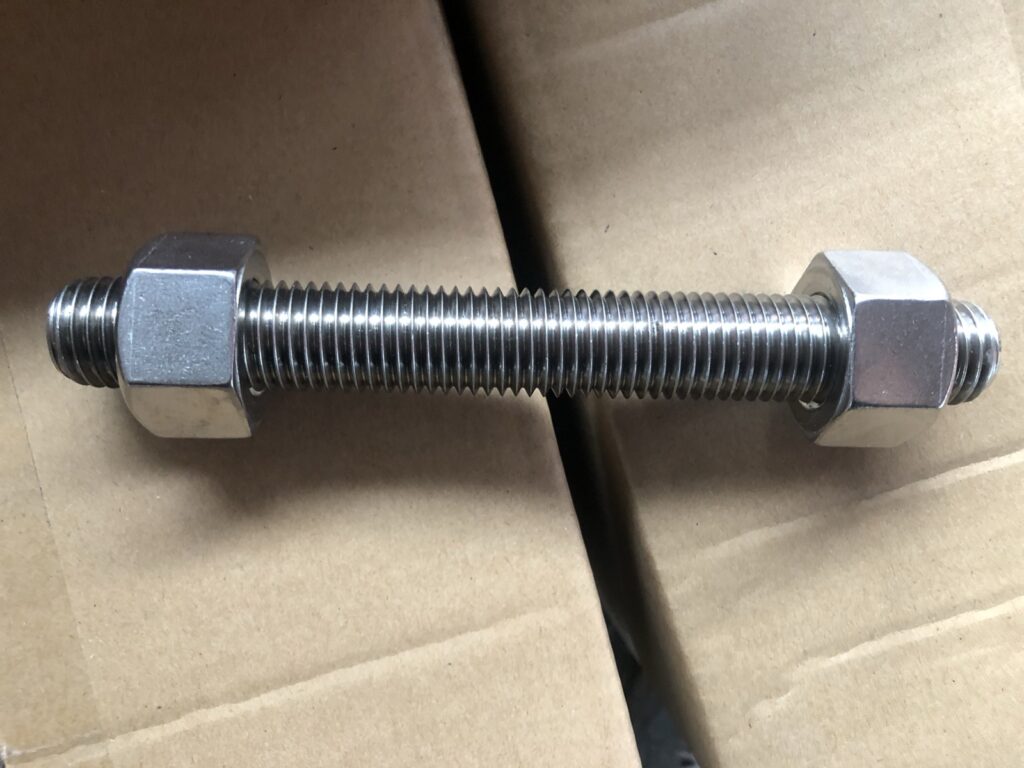
A stud bolt and a threaded rod can both be fully threaded, but they are ordered for different assembly contexts. The safest way to specify either item is to include the standard, grade, diameter, thread series, overall length, finish and quantity rather than relying on the generic word “rod.”
Quick answer: stud bolt vs threaded rod
A Stud Bolt (Full Thread) is commonly specified as part of a bolted joint, including flange and industrial assemblies, with the stud grade and mating nut grade defined by the project requirement. A Full Thread Rod is a continuously threaded length used for fastening, support and fabrication requirements where the applicable grade, diameter and length are specified.
What grades and standards are listed on the site?
The Stud Bolt page lists ASTM A193 and IS 4206 with B7, B16, B8 and B8M options. The Full Thread Rod page lists DIN 975 and IS 4206 with 4.6, 8.8, A2 and A4 options. These are product-page ranges; the quoted item should still be matched to the actual drawing or specification.
Where does HDG threaded rod fit?
If the requirement specifically calls for a hot-dip galvanised finish, see the HDG Thread Rod page and the broader Hot Dip & Coatings range. Do not assume an HDG finish if the project document does not specify it.
What should you send for a quotation?
Send the required product type, standard, grade, diameter, thread series, overall length, finish, mating nut requirement where applicable, quantity and delivery location. Browse the Studs & Thread Rods range or send the specification for a quotation.